E-commerce
Building a custom store when Instagram DMs stop scaling

Obekai Team · 2026-08-04 · 6 min
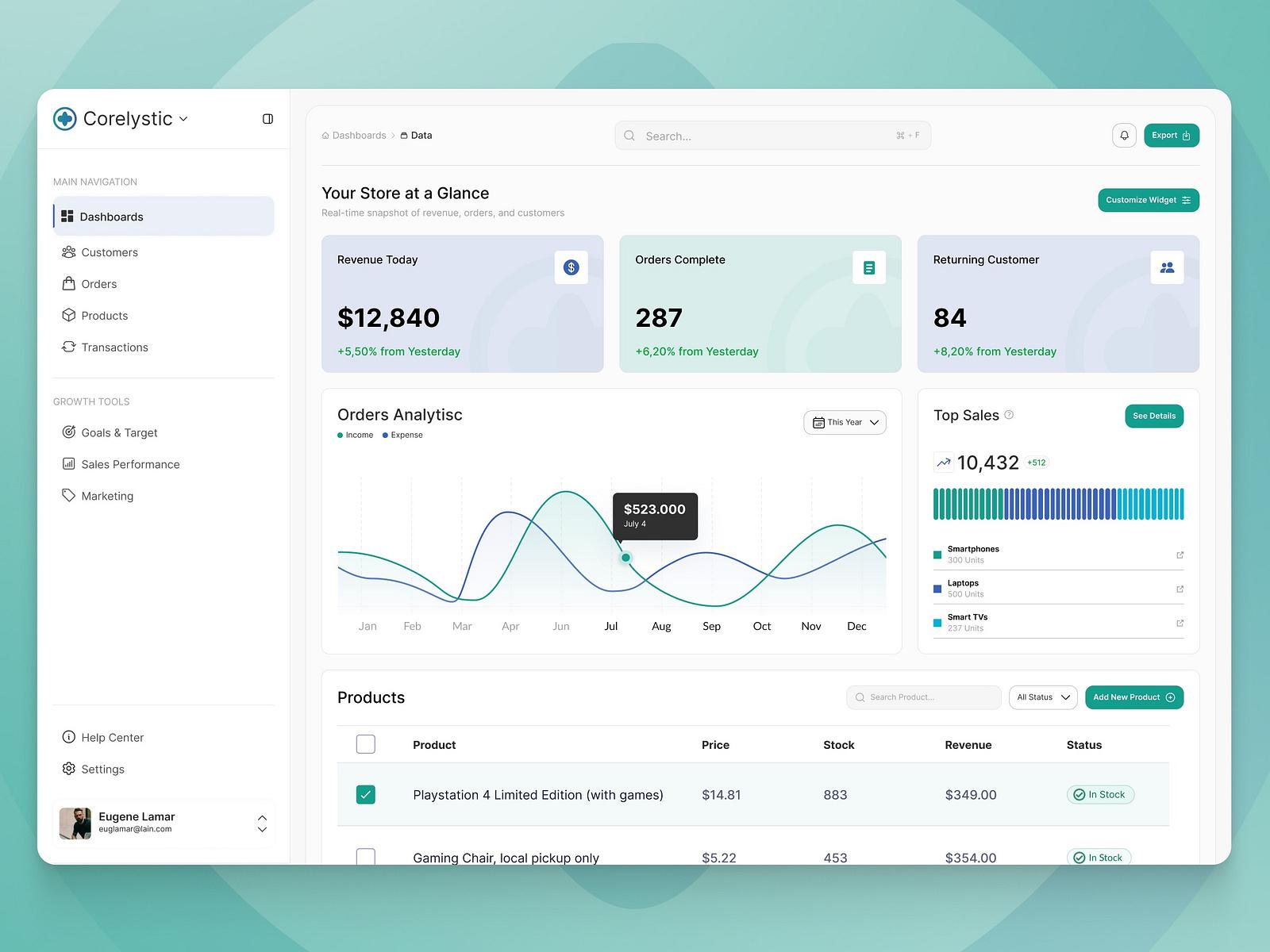
Selling through social chats works until volume rises. Stock questions pile up, payment links get lost, and nobody has a clean order history. This case study covers a custom e-commerce platform we built so browsing, checkout and fulfilment lived in one product.
The problem
The business needed a reliable catalogue, cart and payment flow. Orders were tracked manually. Customers asked the same availability questions every day. A template store would have forced awkward workarounds for how they priced, packaged and fulfilled items.
What we built
We shipped a custom shopping experience with product management, checkout, Stripe payments and order tracking. Admins can update catalogue details without waiting on a developer. Buyers get a clear path from product to paid order, and the team sees status without digging through chats.
How the work unfolded
We started with the purchase journey on mobile, because that is where most traffic came from. React powered the storefront experience; Node.js handled orders and inventory updates; Stripe covered card payments. Weekly demos kept the catalogue structure honest—only fields staff would actually maintain.
Outcomes
Customers browse and buy without messaging for every SKU. Payments are recorded against orders, and tracking cuts “where is my order?” back-and-forth. The store is treated like a product, not a brochure: after launch, small catalogue and checkout fixes landed inside the support window, then moved to an optional care plan.
If DMs are your checkout, a focused store with clean payments usually pays for itself in saved hours. Share what you sell and your average order volume and we will outline a fixed-scope build.
Want something like this?
Share your requirements on the enquiry form. We'll suggest a simple next step and a fixed quote.
Get in touch